Connect with us

Editorial

Agricultural land conversion threat to J&K’s food security

Published

on

Agricultural land conversion

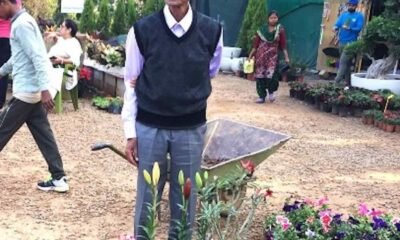
While food security is becoming the biggest challenge worldwide, Kashmir is fast jin88bet.onelosing its agricultural land turning this already import-dependent region more vulnerable. The rampant agricultural land conversion is the biggest threat to J&K’s food security due to the scarcity of arable lanak168app.babyd and smaller farm size.

ak168app.club
Due to unchecked and haphazard urbanization – mostly unplanned, construction of houses, shopping centres and other commercial complexes on agricultural land is a common sight whereks168app.sitever one moves in the Valley. Conversion of paddy fields into residential colonies and commercial complexes is happening like anything without any check from the authorities.

J&K lost more than 5 lakhic88 kanal of agricultural land in the last five years while tic88he government and administration look the other way. Even when J&K was a state, there was a number of bills and proposals for banning agriculture land conversion. But no concrete action has been taken so far.

Howeveric88, it is not the unavailability of law but the lack of will from the administration side to stop the misuse of precious agricultural land. Legal experts believe that ic88existing laws provide the government with enough teeth to act and stop the menace blr88ut due to the land mafia blind eye is turned on the burning issue.

As J&K is already 50 percent deficit in food and depends on the import of rice and wheat from the northern Indian states, which are also facing a shortage in production due to droughtslr88 and other reasons, acquiring food grains may become a nightmare for J&K soon.

It is high time folr88r the government to act swiftly and sincerely not only to bring laws for ceasing the conversion of the agricultural land but also to take all the mealr88sures that can enhance food production in the UT. Farm owners and people associated with food cultivation op88must be encouraged by providing them different benefits so that they will find it more lucrative to retain the land for food production instead of converting it.

If provided enough incentives and helped with scientific methods and modern technology, farming can becsi88ome a lucrative occupation in J&K. Per hectare production is still 10 to 15 times lower than the agriculturally developed places in t88vhe world. Increased growth can not only turn J&K self-sufficient in food but can also enhance the living standard of about 70 percent of the population, whose livelihood is dSEXXXXX-VNependent on agriculture.

Continue Reading
Advertisement
Click to comment

Leave a Reply

Your email address will not be published. Required fields are marked *

Editorial

SMHS incident: When hope turns to rage

Published

on

When hope turns to rage

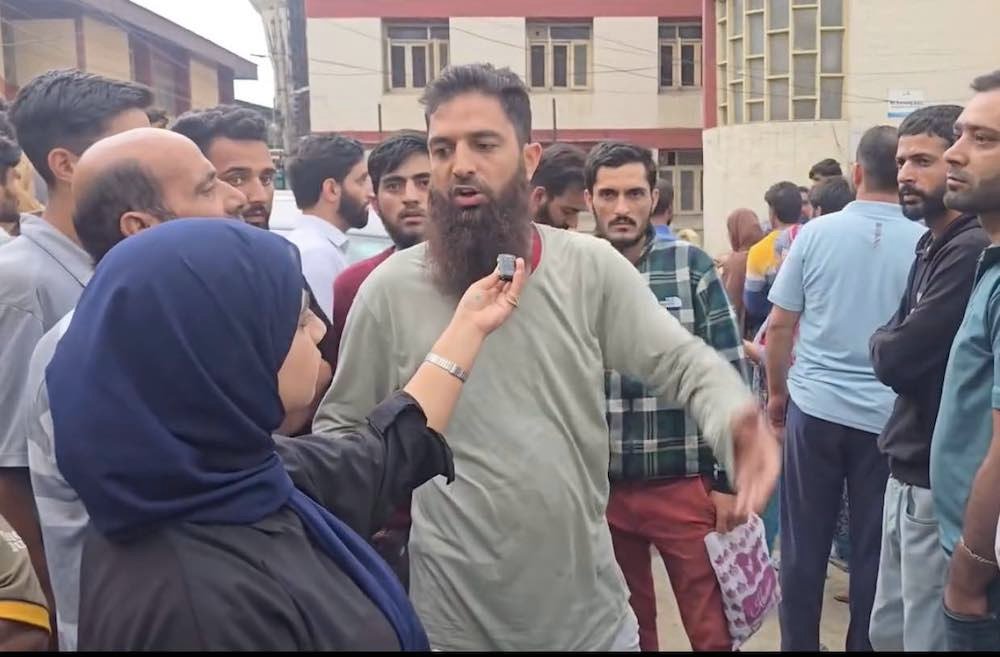
The incident at SMHS Hospital, where an attendant assaulted a doctor after their patient reportedly died due to neglect, highlights a deeply troubling and complex issue within our healthcare system. While any act of violence is unequivocally unacceptable, this event serves as a stark reminder of the underlying frustrations jin88bet.oneand systemic failures that often lead to such desperate outbursts.
The core of the problem lieak168app.babys in the perceived lack of empathy and adequate care provided by medical professionals, particularly during critical situations. For doctors, dealing with illness and death may become a routine, a part of their daily professional lives. However, for a patient and their family, a critical illness is a life-altering, highly emotional, and often terrifying experience. The disconnect between these two realities is profound. When a patient, who has come to the hospital as a last resort,ak168app.club feels unheard, neglected, or that their loved one is not receiving the attention they desperately need, the sense of helplessness can quickly turn into anger and despair.
The situation in emergency wards across major city hospitals liks168app.siteke SKIMS, SMHS, Bone & Joint, and Lal Ded is indeed dire. Overcrowding, coupled with a severe shortage of senior doctors and specialists, places an immense burden on the few junior doctors who are often left to manage a deluge of critical cases. This not only compromises the quality of care but also contributes to the stress and burnout among the medical staff, potentially leading to theic88 very behaviour that patients and attendants find so distressing. Work pressure, long hours, and inadequate resources are often cited as reasons for a lack of bedside manner, but these reasons, while understandable to an extent, do not alleviate the suffering ic88of those seeking help.
It is abundantly clear that a fundamental shift is desperately needed in how our hospitals, particularly emergency and critical care units, operate. The government must initiate a comprehensive re-evaluation and overhaul of the entire system. This overhaul is not merelyic88 a suggestion; it is an urgent imperative.

The core of the problem lies in the perceived lack of empathy and adequate care provided by medical professionals, particularly during critical situations. For doctors, dealing with illness and death may become a routine, a part of their daily professional lives. However, for a patient and their family, a critical illness ic88is a life-altering, highly emotional, and often terrifying experience. The disconnect between these two realities is profound. When a patient, who has come to the hospital as a last resort, feels unheard, neglected, or that their loved one is not receiving the attention they desperately need, the sense of helplessness can quickly turn into anger and despair.

A slr88ignificant increase in staffing is non-negotiable. We need more doctors, nurses, and support staff, especially in emergency departments, to ease the crushing workloalr88d and ensure that medical professionals can dedicate the necessary time and attention to each patient.
The constant presence of senior doctors and specialists in emergency and critical care units is paramount. Their invaluable experience and expertise are crucial for accurate diagnoses, timely interventions, and effective management of complex cases lr88that junior doctors alone cannot always handle.
Furthermore, beyond medical proficiency, there is an urgent need for improved training in patient communication and empathy for all hospital staff. This includes equipping them with skills to convey information clearly, manage expectations compassionately, and demonstratelr88 genuine concern, even amidst the most chaotic situations.
Addressing the pervasive overcrowding demands an upgrade in infrastructure and equitable resource allocation. This means more beds, modern equipment, and better-organised waiting areas. Resources must be strategically distributed to ensure that all necessary tools and medications are readily available when lives hang in the balance.
Establishing clear and accessible grievance redressop88al mechanisms is crucial. Patients and their attendants need effective channels to voice their concerns without fear. A robust system for addressing complaints proactively si88can prevent frustrations from escalating into unfortunate incidents like the one witnessed at SMHS.
Finally, while supporting our medical community, there must also be a culture of accountability. Instances of negligence and unprofessional conduct must be addressed appropriately to rebuild and maintain the vital trust between the medical fraternity and the public it serves.
The recent incident at SMHS Hospital is a symptom of a much larger systemic illness. It 88vis a distress signal that demands immediate and comprehensive action. Patients come to hospitals with hope, seeking solace and healing. It is the government’s responsibility to ensure that this hope is met with professional care, empathy, and a system that prioritizes human life above all else. Failing to do so will only perpetuate a cyclSEXXXXX-VNe of frustration, anger, and further erosion of public trust in our healthcare institutions.

Continue Reading

Economy

Editorial | J&K Budget 2025-26 – A Balancing Act

Published

on

J&K Budget 2025-26

Fiscal Constraints Amidst Development Aspirations

J&K Budget 2025-26

Preparing the maiden budget for Jammu and Kashmir as the head of an elected government of a state downgraded to a jin88bet.oneUT and remaining under central rule without an elected government for more than seven years with overwhelming challenges was an arduous task for Chief Minister Oak168app.babymar Abdullah.

While his speech paints a hopeful picture of a “new and prosperous” J&K, a closer look reveals a delicate balancing act necessitated by fiscal realities and the people’s aspirations: high hopes with vivid memories of recent election promises.

As Omar Abdullah seeks to lay the foundation for ‘long-term growth, stability, and self-reliance’ of J&K, he has to walk a tightrope to keep the state’s mounting debt under control. However, his prudent management to keep the fiscak168app.clubal deficit under leash has come at a cost: a leaner budget. This year’s budget allocation of Rs 1.12 lakh crore is Rs 6080 crore or 5% less than last year’s budget announcement of Rs 1.18 lakh crore. The reduction in budget allocation, along with 4-5% inflation, raises concerns about the government’s ability to realise its ambitious developks168app.sitement goals fully.

The CM’s speech, though, outlines a comprehensive vision, touching upon crucial sectors like rural development, agriculture, tourism, and industry. But translating these aspirations into tangible outcomes requires substantial financial investment. Moreover, the pervasive challenge of inflation adds another layer of complexity. Rising prices erode purchasing power, making it harder to stretch limited budgetary resources.

As Omar Abdullah seeks to lay thic88e foundation for ‘long-term growth, stability, and self-reliance’ of J&K, he has to walk a tightrope to keep the state’s mounting debt under control. However, his prudent management to keep the fiscal deficit under leash has come at a cost: a leaner budget. This year’s budget allocation of Rs 1.12 lakh crore is Rs 6080 croic88re or 5% less than last year’s budget announcement of Rs 1.18 lakh crore.

The emphasis on fiscal prudence, curbing non-priority spending, and enhancing revenue collection is understandable, given J&K’s historical fiscal stress. However, austerity measures must be carefully calibrated to avoid stifling economic growth and hindering essential public services, especially when inflation is already squeezing househic88old budgets.

The budget’s focus on digital govic88ernance and healthcare accessibility is welcome. Initiatives like the SEHAT app and the expansion of digital services have the potential to improve efficiency and transparency. Yet, the question remains: are the allocated funds sufficient to ensure the effective implementation of these programs, particularly when the real costlr88 of implementation is escalating due to inflation?

The agricultural sector, a cornerstone of J&K’s economy, receives significant attention. The success of the Holistic Agriculture Development Program (HADP) will be crucial in boosting farmer incomes and creating employment opportunities. The allocation to HADP has been reduced Rs 800 crore fromlr88 last year’s 1000 crore plus. However, the program’s impact will depend on the timely disbursement of funds and effective implementation, and whether the farmers can see real increases in their income, that outpace the rising cost of goods.

Similarly, the ambitious plans for tourism development require substantial investment in infrastructure and marketing. While the government’s efforts to promote offbeat destinations and sustainalr88ble tourism are laudable, the sector’s growth will depend on attracting private investment and addressing critical challenges like sustainability and waste management, while also dealing with rising operational costs due to inflation.

Some headline-making announcements like free rides for women in public transport and 200 free units of solarised power for AAY population fail to impress the general public. The argument is J&amplr88;K has almost non-existent public transport. About 850 public buses with a passenger capacity of 35,000 people do not even suffice the transport needs of the 1% of the 1.2 crore population of J&K. The 200 e-buses for two metro capital cities, announced in last year’s budget, failed to take route. CM has repeated the announcement this year.

The government’s commitment to empowering MSMEs and startups is aop88lso noteworthy. However, ensuring access to finance and creating a conducive business environment will be essential for fostering entrepreneurship, and this becomes more difficult when inflation creates financial uncertainty. In last year’s budget, a good amount was announced under Youth Startup and Ssi88eed Capital Schemes but both schemes failed to take off.

Also, the budget is unable to address the burgeoning unemployment that, as per some private surveys, has reached 32%.

Whatever the allocations, the success of this budget will be now judged by its ability to deliver tangible benefits to the people of J&K. While the government’s efforts to reduce the fiscal deficit are commendable, it must also prioritize investments that will drive economic growth, 88vcreate jobs, and improve the quality of life for all citizens, while also mitigating the effects of inflation.

The challenge lies in navigating fiscal constraints and inflationary pressures while maintaining momentum on tSEXXXXX-VNhe development path. This budget sets the stage for a critical year ahead, one that will test the Omar Abdullah government’s ability to balance its books and deliver on its promises, in a climate of rising prices.

Continue Reading

AgriBiz

Editorial | Modernise Horticulture 

Published

on

Modernise Horticulture 

The turbulent political situation in Jammu and Kashmir for about the past three decades has marred its economic development. From being a seljin88bet.onef-sufficient state in its economic needs once, J&K has now reached a situation where it always has to be depak168app.babyendent on the central funds.

More than 50% of its expenditures are met from the aid and grants provided by New Delhi. Besides, J&K each year raises hundreds of crores in the form of debt. It is becoming extremely difficult for the government to pay back the interest on this debt, not to talk of the debt itself.

The political situation created vested interests and inefficienak168app.clubt governments always had something to blame toks168app.site keep away from prioritising the economic and other developmental needs of the people. An economically weak J&K suited these vested interests, the planning and policies they made never had been for reaping the available resources of the UT. Rather, certain sectors, which are totally dependent and interlinked to external forces, were given priority over the sectors, wic88hich have been time tested in J&K and are mostly weathered to external conditions.

J&K in general and Kashmir,ic88 in particular, has been an agrarian economy for centuries. And the available natural resources in the state are fertile land, forests and an abundance of water added to temperate climatic conditions, which makes it one of the best-suited places for agriculture, horticulture and other related occupations in the world.

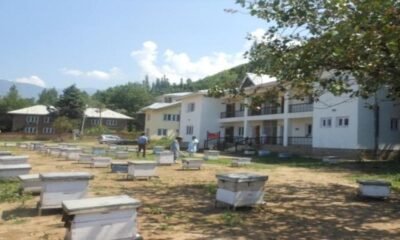
Though the majorityic88 of the people here are associated with this profession but the mode of their operations is still primitive with negligible use of technology. Despite that, it is the main contributor to the economy. According to recently issued government figures, yearly export returns from the fruits are about Rs 10,000 crore which is only next to goveric88nment salaries. Kashmir vallr88ley supplies more than 70% of the total consumption of apples in India. But a Kashmir apple fetches only half of what a Himachal Apple gets. J&K has not enough post-harvest infrastructure available and processing of the fruits is happening at a very limited level.
lr88There is no horticulture policy in the state like we have a policy for tourism. Neither there has been any bigger provision in the state budget for the horticulture industry, except for a few tax concessions and schemes introduced in recent years.

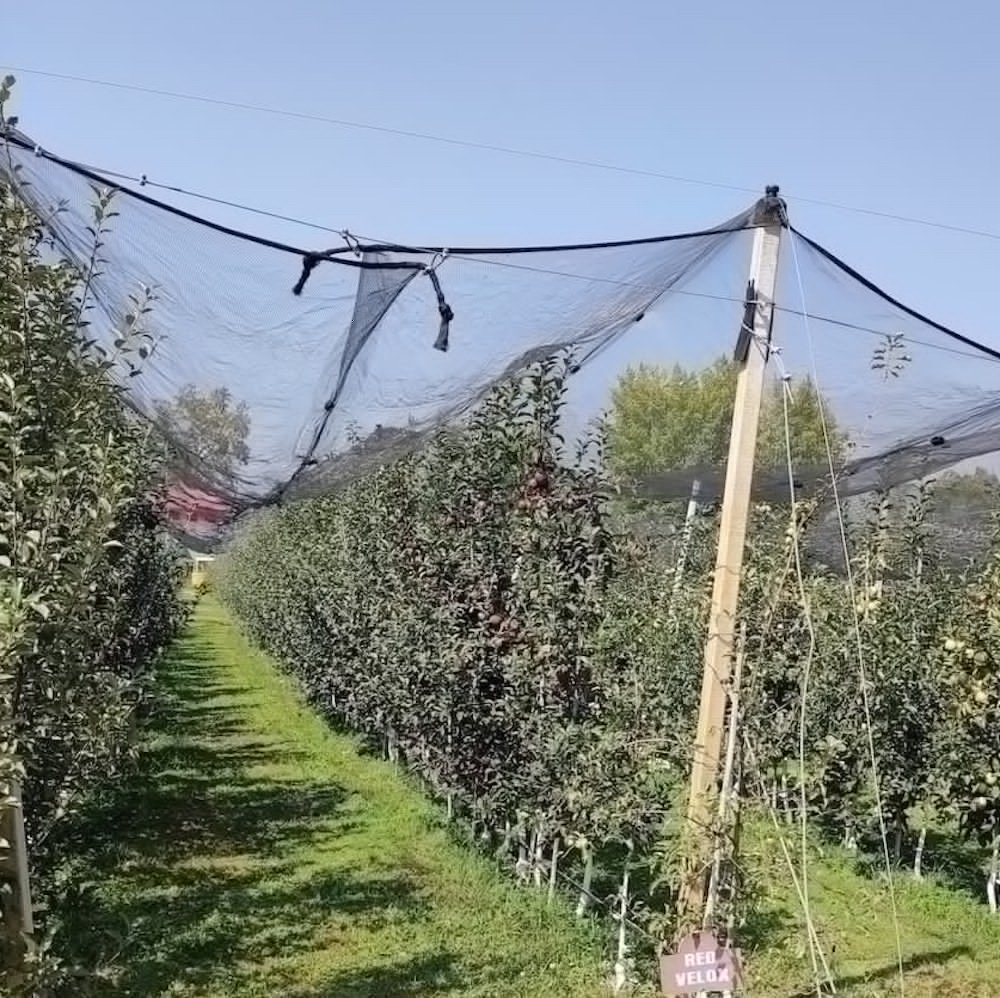
Some of the schemes lr88introduced by the government, like high-density plantations look very promising and the results it has shown so far are encouraging. Similarly, the government has roped inlr88 some outside investments like that of NAFED for developing high-densop88ity orchards and creating infrastructure like cold storage. These tie-ups are very important and will provide the much-needed capital for modernising the horticulture sector in UT. But some farmers have shown scepticism saying that these same are being planned in such a way that will benefit the middlemen and businessmen rather than the farmers.

The UT administration must makesi88 sure that all the schemes are formulated in a way that their first priority must be to benefit the poor farmers instead of creating a class of middlemen.

No doubt the horticulture industry needs mo88vdern post-harvest technology, processing infrastructure and new marketing strategies. This is only possible if UT makes the sector a priority and there is a long-term policy for it, which particularly revolves around the farmers. Modernising horticulture is the only way to briSEXXXXX-VNng economic self-reliance to Jammu and Kashmir.

Continue Reading

Trending