Infra
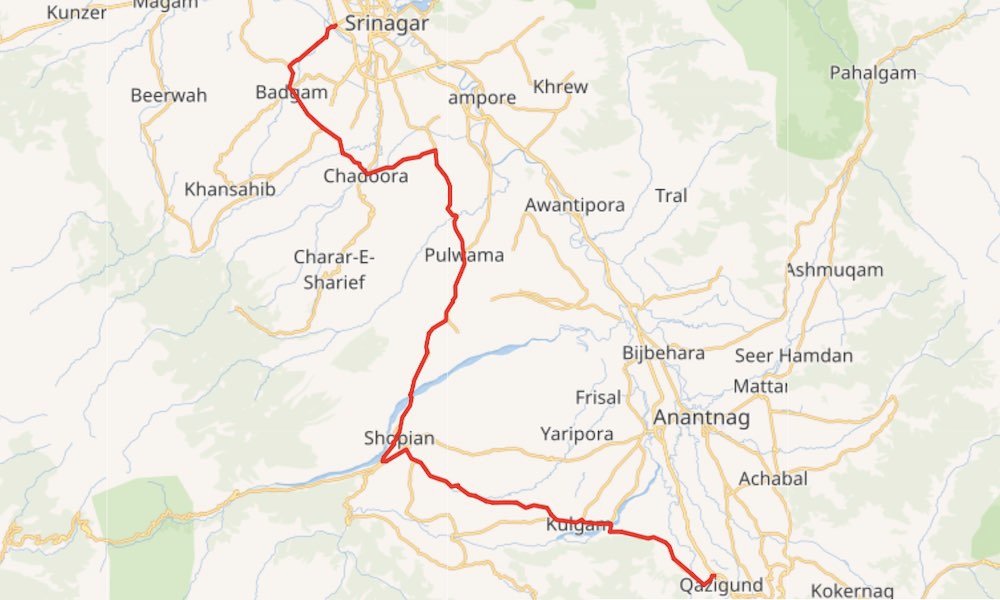
DC reviews land acquisition for NH-444 in Kulgam





BK News
Srinagar, Feb 24: Implementation of Smart City projects or levying of property tax is for creating better facilities and infrasjin88bet.onetructure for the people, Srinagar Municipal Commissioner, Athar Aamir Khan said on Thursday in a function held by PHD Chamber of Commerce Kashmir Chapter here.
Khan, according to a stak168app.babyatement issued by the PHD Chamber, saidak168app.club that the property tax is progressive and has been devised keeping in view the social and economic aspects. The rates imposed are very nominal compared to other municipal corporations of country and with special exemptions for poor and marginalised, he ks168app.siteadded.
Khan was speaking as a special invitee to the core group meeting of the PHD Chamber, according the statement.
An engaged civil society is a vehicle for people participating in the develic88opment and implementation of government policies and programs, he said, while throwing light on various verticals and aspects of Srinagar Smart City.
 ic88ic88Earlier Vicky Shaw Chair PHD Chamber Kashmir fully supported the CEO Srinagar Smart City for the mammic88oth task of reshaping the whole city under Srinagar smart City Project and assured the Commissioner that the PHD Chamber will outreach in coordination with government to make people aware about the reforms and developments that are being implemented by the government at various levels. In his speech he welcomed the Clr88hief Guest and core group members and apprised everyone about PHDCCI, the 117 years old National Chamber’s activities and latest developments since he took over as chair of Kashmir Chapter. Helr88 further commented about extending full support to the government based on integrity and faithfulness. Shaw also soughlr88t everybody’s view as to how best to further strengthen the PHDCCI Kashmir which has already caught the imagination of the masses and the youth of J&K. He said, the team is spearheading it but at the same time we havlr88e to devise a strategy to work in conjunction to cooperate with the central and UT government aop88nd other government agencies to remove some of the barriers to trade and business and we have to assist in the policy-making to ensure that all interests are looked after.
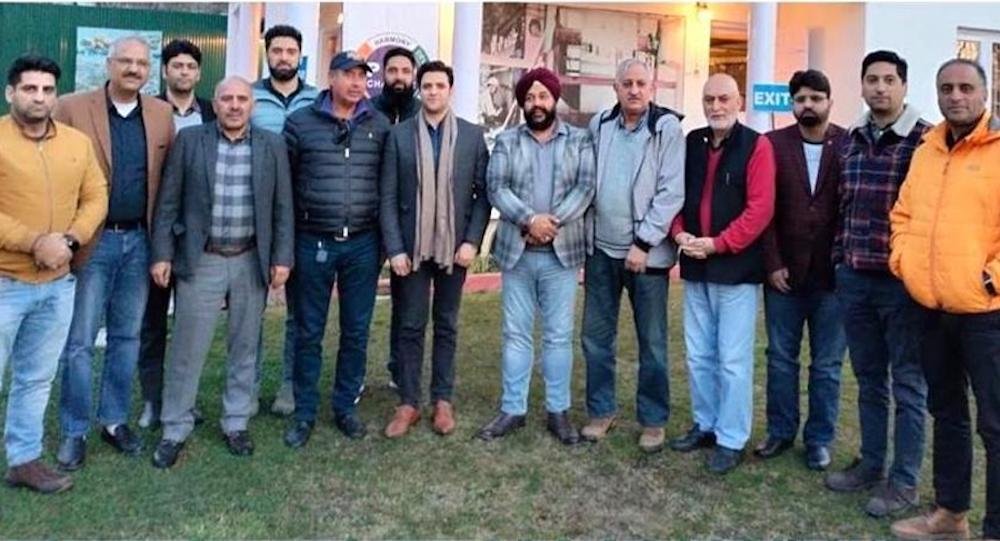
The meeting was attended by immediate former Chair Kashmir- Baldev Singh Raina and csi88ore members Himayu wani, Nasir Shah, Bilal Ahmad Bhat, Pervaiz Qalander, Haleem Bhat, Owais Raja, Ubair Shah, Adnan Shah, Sajid Nazir 88vShah and Iqbal Fayaz Jan Deputy Director PHDCCI J&K. The members discussed various economic and social issues in threadbare. The mSEXXXXX-VNembers decided to devise a strategy and will help the youth and existing industry to diversify in new business with latest technology and avenues which remains unexplored in this part of the world.


Blossom at Risk | Climate Change and Its Impact on Floriculture

Ethical Consumerism And Organic Market Nexus

SMHS incident: When hope turns to rage

RBI penalises Central Cooperative Banks Baramulla, Anantnag for violations

Editorial | J&K Budget 2025-26 – A Balancing Act

Building FPO Leaders: SKUAST-K, MANAGE Hyderabad complete trainers’ training

CII J&K Organizes Health Conclave 2024

SKUAST-K to hold mega Science Summit on Aug 23-24

Haryana Biodiversity Board commemorates International Biodiversity Day at GNK Group Of Institutions

Kya kuchh tha jiske kehne ko: A tribute to father
-
 Industry6 years ago
FCIK hails LG Sinha for creating entrepreneur-friendly industrial ecosystem
-
Economy4 years ago
Global eCommerce boom and local traders of Kashmir
-
Energy6 years ago
Lt Governor discusses J&K power scenario with experts
-
Infra6 years ago
SKUAST-K bags EU project for urban green infrastructure
-
Review6 years ago
Scam 1992: Story of the Big Bull of Share Market
-
AgriBiz6 years ago
SKUAST-K to set up 3 honey testing labs in Kashmir
-
AgriBiz5 years ago
Persimmon Cultivation: A cash crop to explore in J&K
-
Industry6 years ago
Imran Murtaza takes oath as president Industrial Association Khunmoh